Home Inspection Checklist: Ensuring Your New Home is Up to Standard
Thursday, July 11, 2024
Start with the exterior inspection. Check the roof for missing or damaged shingles, leaks, and the condition of the gutters and downspouts. Examine the foundation for cracks, uneven areas, and signs of water damage. Inspect the siding and paint for peeling, cracks, or any damage. Additionally, ensure that the windows and doors open and close properly and check for any signs of rot or damage.
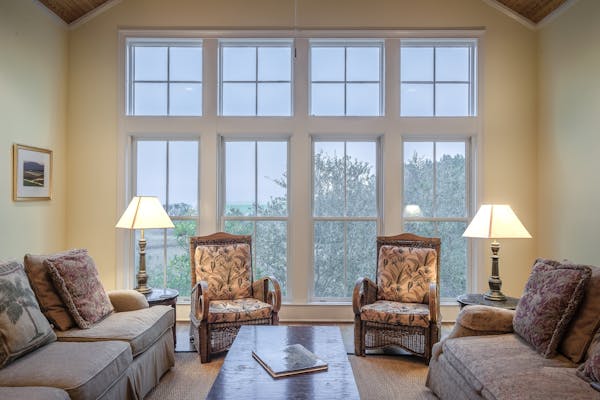
Move on to the interior inspection. Look at the walls and ceilings for cracks, water stains, and signs of mold or mildew. Check the floors for any uneven areas, squeaks, or damage to the flooring materials. Make sure the windows and doors are properly sealed, and check for drafts or leaks.
For the plumbing, inspect the pipes and fixtures for leaks, rust, and water pressure. Check the age, condition, and functionality of the water heater. Ensure that sinks, toilets, and showers are working properly and there are no signs of leaks or damage.
Next, inspect the electrical system. Check for any exposed wires, and test outlets to ensure they are functioning. Ensure the circuit breaker box is labeled correctly and in good condition. Test all light switches and fixtures to make sure they are working.
Examine the HVAC system. Check the age, condition, and functionality of the furnace and air conditioning units. Inspect the ductwork for any leaks or damage.
Don’t forget the attic and basement. Ensure there is adequate insulation in the attic and check for any signs of pests. In the basement, look for any signs of water damage, mold, or structural issues.
Finally, test all kitchen appliances to ensure they are in working order and check the condition and functionality of the washer and dryer.
A thorough home inspection can provide peace of mind and help you avoid unexpected expenses. If any issues are found, you can negotiate with the seller for repairs or a price reduction. Remember, a professional home inspector can provide a detailed assessment and help you make an informed decision about your new home.